Sat-Sun 12.00 - 18.00
+919871330125

📖 9 min read · 1,852 words
Pune’s Marathi creator economy does not announce itself with billboards. It appears when you walk into a cafe in Kothrud and hear college students debating Rushikesh Gadekar’s latest motorcycle trip to Leh. Or when a family in Hadapsar quotes Aarya Maske’s comedy sketch over dinner. The algorithm did not hand these creators their audiences. Pune did, one relatable joke and one honest vlog at a time. If you want Marathi creators Pune audiences trust, these six names start the conversation.
Why This Matters
Pune has always punched above its weight in Maharashtra’s cultural output. The past five years shifted the stage to YouTube and Instagram. The city blends students, IT professionals, and families to create a feedback loop. Creators test ideas on local audiences and refine them in Marathi. The content then travels to every corner of the state. Creators do not need to chase Hindi or English to scale.
Viewers see a person on screen who understands the chaos of a Pune monsoon commute. They know the pride of a Puneri misal breakfast and local language shifts. In 2026, local fluency is a career moat. Brands targeting Maharashtra tier-2 cities hire Marathi-first creators who speak to Pune, Nashik, and Kolhapur. Our 5-Tier Digital Business Framework shows most creators operate at Tier 3 for direct revenue through brand deals and memberships.
#1 Rushikesh Gadekar vlogs

32.9 Lakh
subscribers189.3 Cr
total views
▶ Visit Channelsubscribers189.3 Cr
total views
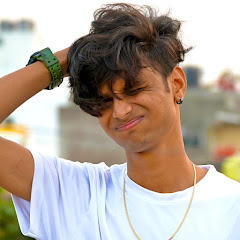
Rushikesh Gadekar built a 3.29-million subscriber channel without chasing trends. He shows up on a motorcycle with a camera and talks to strangers like old friends. His vlogs feel like riding pillion through Maharashtra backroads. Viewers see unscripted talks with farmers in Satara and chai breaks at highway dhabas. This reveals a spontaneity that proves Indian hospitality is real.
He separates himself from other travel vloggers through sheer restraint. He lets moments breathe instead of talking over them. Pune viewers recognize the local landmarks he passes, like the Katraj ghat section. They also know the specific Marathi idioms he uses with village mechanics. His 2026 target of 5 million subscribers is a checkpoint for a creator who shaped a western Maharashtra catchphrase.
#2 Shubham Takalkar
3.6 Lakh
subscribers49.8 Cr
total views
▶ Visit Channelsubscribers49.8 Cr
total views
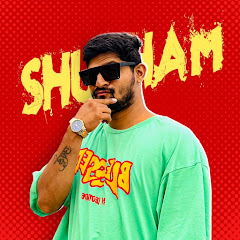
Shubham Takalkar gains 362,000 subscribers through relatable sketches and strong writing. His videos run under three minutes and nail middle-class Pune life. They feature uncles who forward WhatsApp messages at 6 AM and mothers who panic over minor issues. The production uses one room and one camera, but the observation is sharp.
He writes in the Marathi Pune actually speaks, not the textbook version, which is why his comments section reads like a family WhatsApp group arguing affectionately. In 2026, he’s expanded into collaborative sketches with other Marathi creators, and his business email in the description signals a transition from pure content to a sustainable creator business — exactly the Tier 2→3 jump many aspiring creators in the city are trying to figure out.
#3 Pavan Waghulkar
1.8 Lakh
subscribers16.2 Cr
total views
▶ Visit Channelsubscribers16.2 Cr
total views
Pavan Waghulkar calls himself a source for laughter, and his 176,000 subscribers agree. That label misses his true range. His channel splits between comedy shorts and longer vlogs that show a careful storyteller. The shorts rely on deadpan reactions, paused timing, and punchlines delivered in Puneri Marathi rhythms.
The vlogs show the work behind the jokes. This includes location scouting in old Pune neighbourhoods and scripting sessions. Editing 281 videos while holding a day job in content writing takes effort. This dual identity is common in Pune because IT and media sectors support each other. Viewers feel the comedy is earned because the creator understands platform and city grammar.
#4 Aditya dere

1.7 Lakh
subscribers62.2 Lakh
total views
▶ Visit Channelsubscribers62.2 Lakh
total views
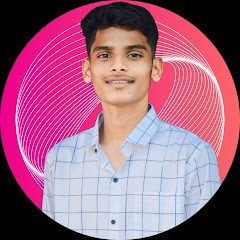
Aditya Dere’s channel description claims “महाराष्ट्र no 1 vlogger” — a bold claim for 168,000 subscribers, but the 6.2 million views across just 61 videos suggest high engagement per upload. His niche is Maharashtra travel vlogging with a Pune base: day trips to forts like Sinhagad and Rajgad, monsoon waterfalls near Lonavala, food trails through Kolhapur and Nashik.
The production quality punches above the subscriber count. It includes drone shots, colour-graded B-roll, and structured narratives with clear arcs. He has also built a parallel Shorts channel (Aditydereshorts) targeting the 200K milestone. This shows platform-native thinking. For Pune viewers, his value is curation. He filters the overwhelming number of weekend getaway options within 100 km of the city into watchable, actionable guides. The “PUNE travel” in his bio is not SEO stuffing. It is a service promise.
#5 Suraj bavdane vlogs
93.1K
subscribers2.5 Cr
total views
▶ Visit Channelsubscribers2.5 Cr
total views
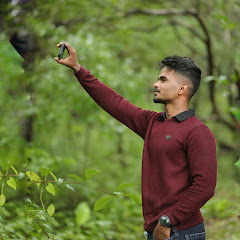
Suraj Bavdane brings a photographer’s eye to vlogging. He has 413 videos across 93,100 subscribers. His compositions feel considered even in daily-life documentation. He describes himself as a photographer and vlogger. This shows in the light of his morning coffee shots and the framing of Pune’s streets during Ganeshotsav. He also has the patience to wait for a crowd to clear before capturing Shaniwar Wada.
His vlogs are quieter than those of comedy or travel creators. They feature less talking and more showing. This makes them oddly restorative for viewers burned out on high-energy content. The subscriber count has not exploded. However, the view-per-video ratio suggests a loyal core audience that returns for the atmosphere. In 2026, as the creator economy matures, this kind of sustainable mid-tier channel (Tier 2: Visible, moving toward Tier 3) is a more replicable model for new creators than chasing viral hits.
#6 Aarya Maske
10K
subscribers39.7 Lakh
total views
▶ Visit Channelsubscribers39.7 Lakh
total views
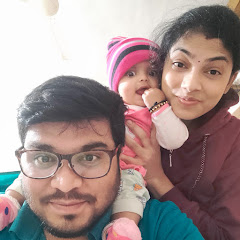
Aarya Maske’s channel is a family operation. The bio explains the channel is named after her daughter. Tosna Maske, the mother, produces daily comedy, family vlogs, dance videos, and cooking content for 10,000 subscribers. The volume of 676 videos tells its own story of consistency over virality. The content captures a specific Pune household rhythm. This includes school runs in Hinjewadi traffic and festival preparations in a society flat. It also covers the negotiation of screen time and study time in Marathi households.
For viewers in similar life stages, it provides validation that their chaos is shared. The channel’s growth curve is slow but steady. The daily cadence builds a parasocial reliability that bigger, sporadic creators cannot match. It serves as a reminder that a career in the creator economy does not always mean millions of subscribers. Sometimes it means a sustainable creative practice that pays the bills and documents a life.
Action Plan

-
Subscribe with intent — Pick two creators from this list whose content aligns with your interests (travel, comedy, daily life) and watch their last five videos. Note the formatting, pacing, and comment engagement — that’s your informal curriculum.
-
Attend a Pune creator meetup — Groups like Pune YouTubers Community and Maharashtra Creators Collective host monthly meetups at co-working spaces in Baner and Viman Nagar. Show up, introduce yourself, and ask one specific question about their workflow.
-
Start a “Pune in Marathi” content series — Even if it’s just phone footage: your favourite misal pav spot, the view from your society terrace during monsoon, a conversation with your auto driver. Post weekly for eight weeks. Consistency beats quality at the start.
-
Reach out for collaboration (respectfully) — Most creators list a business email. Pitch a concrete idea: “I’d love to feature your favourite Pune breakfast spot in my food series — here’s my last three episodes for reference.” No “let’s collab” vague requests.
-
Map your tier — Use the GDI 5-Tier framework to identify where you are: Offline → Visible → Transacting → Operating → Digital-Only. Most new creators in Pune are at Tier 1 or 2. Your next step depends entirely on which tier you’re actually in.
Digital India Tie-in
The creator economy in Pune runs on infrastructure enabled by the Digital India mission. BharatNet provides last-mile connectivity to taluka towns. This means a creator in Baramati can upload 4K footage without driving to the city. Unified Payments Interface (UPI) lets a viewer in Latur tip a creator ₹50 instantly. The Startup India Seed Fund Scheme (portal: seedfund.startupindia.gov.in) has backed early-stage creator-tools startups building editing apps and analytics dashboards in Marathi.
These are not government schemes for creators. They are infrastructure schemes that creators benefit from without filling a single form. The Pradhan Mantri Mudra Yojana (PMMY) portal (mudra.org.in) also lists micro-loans up to ₹20 lakh. This includes the new Tarun Plus tier for successful borrowers. Some creator collectives have used these loans to purchase equipment. However, you need a registered business entity rather than just a channel.
Watch Out For
The “course seller” trap — Several Pune-based creator academies charge ₹15,000–₹50,000 for YouTube mastery courses. These are taught by people with under 10K subscribers. Verify the instructor’s actual channel before paying. Brand deal opacity — Many mid-tier creators sign contracts without understanding usage rights, exclusivity periods, or payment terms.
Never sign without a lawyer or at least a creator-peer review. Burnout disguised as consistency — The “daily upload” grind works until it doesn’t. Aarya Maske’s daily cadence is sustainable because it’s a family operation with shared labour. Solo creators attempting the same pace usually hit a wall by month four. Build a content buffer before committing to a schedule.
CTA
If this list helped you discover a new favourite creator, share it with the friend who always asks “काय चालले आहे यूट्यूबवर?”. You can also explore more Pune digital stories on greatdigitalindia.com. You might find our coverage of Pune’s co-working spaces for creators useful if you are ready to move production out of your bedroom. You can also read our guide to Maharashtra’s regional-language creator collectives if you are looking for community.
Frequently Asked Questions
Who is the biggest Marathi YouTuber from Pune in 2026?
Rushikesh Gadekar vlogs leads with 3.29 million subscribers, making him the largest Marathi creator based in Pune by a significant margin.
Do these creators only make content in Marathi?
Primarily yes — their core audiences are Marathi-speaking viewers across Maharashtra. Some use Hindi or English occasionally for broader reach, but the cultural nuance and humour are rooted in Marathi.
Can I meet these creators in person in Pune?
Many attend local creator meetups in Baner, Viman Nagar, and Kothrud. Follow their Instagram handles (linked in their YouTube bios) for announcements — Rushikesh and Shubham are particularly active in the offline community.
How much do mid-tier Marathi creators in Pune earn?
It varies widely. Creators in the 100K–500K subscriber range typically earn through brand deals (₹15,000–₹1 lakh per integration), YouTube AdSense (variable), and occasional affiliate or merchandise revenue. Few rely solely on AdSense.
What equipment do I need to start a Marathi channel from Pune?
A smartphone with a decent camera, a clip-on mic (₹500–₹2,000), basic editing software (CapCut, DaVinci Resolve), and consistent lighting. Most creators on this list started with less — content and consistency matter more than gear.
Are there government schemes specifically for Marathi content creators?
Not directly. But schemes like PMMY (mudra.org.in) and Startup India Seed Fund (seedfund.startupindia.gov.in) support creator-led businesses registered as companies or LLPs. Infrastructure schemes (BharatNet, Digital India) benefit creators indirectly.
Creator EconomyDigital IndiaMaharashtraMarathi CreatorsPunePune YouTubersRegional ContentRegional Language Creators


